





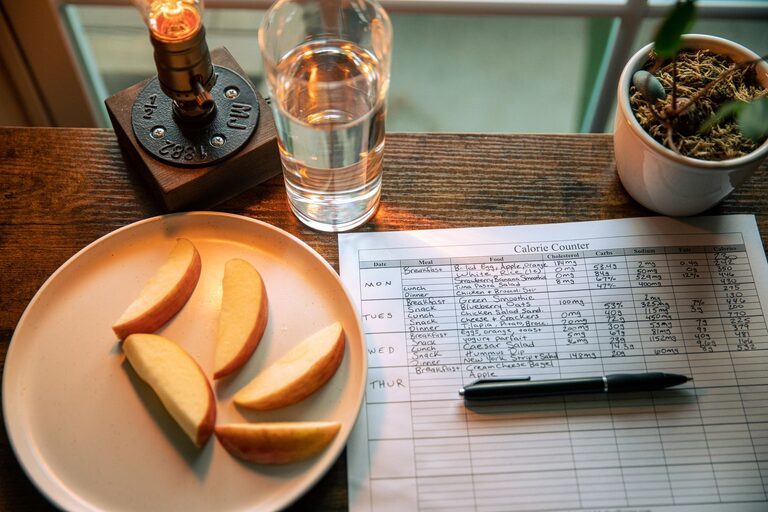
Planning balanced meals can sometimes feel overwhelming, especially with busy schedules and countless diet options. However, creating nutritious, well-rounded meals doesn’t have to be stressful or complicated. With a few straightforward strategies, you can enjoy healthy eating that fits your lifestyle and tastes great.
What Is a Balanced Meal?
A balanced meal includes the right amounts of key food groups that provide essential nutrients your body needs to function well. Typically, a balanced plate consists of:
– Proteins: Such as lean meats, beans, tofu, or fish, which build and repair tissues.
– Carbohydrates: Preferably whole grains and starchy vegetables for energy.
– Vegetables and Fruits: Packed with vitamins, minerals, and fiber.
– Healthy Fats: Like those found in nuts, seeds, avocados, and olive oil.
– Dairy or Alternatives: For calcium and vitamin D, if included in your diet.
The goal is variety and moderation rather than strict rules. This balance helps maintain energy, support immune health, and promote overall well-being.
Why Plan Meals?
Planning meals ahead of time has several benefits:
– Saves Time: Reduces last-minute cooking stress and trips to the grocery store.
– Promotes Health: Encourages better food choices by focusing on nutritious ingredients.
– Controls Portions: Helps avoid overeating or choosing unhealthy snacks.
– Reduces Waste: Buying only what you need means less food thrown away.
– Saves Money: Planning prevents impulse purchases and eating out frequently.
Steps to Stress-Free Balanced Meal Planning
1. Assess Your Needs and Preferences
Start by considering your personal tastes, dietary needs, and schedule. Think about:
– How many meals and snacks you usually eat daily.
– Any allergies or dietary restrictions.
– Time available for cooking.
– Favorite foods and cuisines.
This ensures your meal plan is practical and enjoyable.
2. Keep It Simple
Balanced meals don’t need to be elaborate. Focus on easy combinations such as:
– Grilled chicken, steamed broccoli, and quinoa.
– Vegetable stir-fry with tofu and brown rice.
– Salad with mixed greens, chickpeas, avocado, and a boiled egg.
Simple meals save time and reduce stress.
3. Use a Template for Your Plate
Visualize your plate as divided into sections:
– Half for vegetables and fruits.
– One-quarter for protein.
– One-quarter for whole grains or starchy vegetables.
Using this simple framework can help ensure your meals are balanced even on busy days.
4. Plan Weekly Menus
Spend a few minutes each week writing down your meals. This can be on paper, a calendar app, or a meal-planning tool. Benefits include:
– Knowing what to cook ahead of time.
– Making grocery shopping efficient.
– Balancing nutrition across meals.
5. Prepare Ingredients in Advance
Batch cooking or prepping ingredients saves time during the week. Examples:
– Cook a big batch of rice or beans.
– Wash and chop vegetables ahead.
– Grill extra protein to use later in salads or wraps.
This reduces daily cooking demands and makes assembling meals easier.
6. Be Flexible and Forgiving
Meal plans are guides, not strict rules. It’s okay to swap meals or adjust portions as needed. Flexibility reduces pressure and allows you to enjoy your food.
Tips for Balanced Snacking
Snacks can help maintain energy and prevent overeating at meals. Choose balanced options like:
– A small handful of nuts with fruit.
– Yogurt with berries.
– Veggie sticks with hummus.
Including a mix of protein, fiber, and healthy fats in snacks supports fullness between meals.
Sample Balanced Meal Ideas
Here are some simple meal ideas that follow the balanced plate principle:
Breakfast
– Oatmeal topped with sliced banana, walnuts, and a drizzle of honey.
– Scrambled eggs with spinach and whole-grain toast.
Lunch
– Quinoa salad with cherry tomatoes, cucumbers, chickpeas, and feta cheese.
– Turkey and avocado wrap with mixed greens.
Dinner
– Baked salmon with roasted sweet potatoes and steamed asparagus.
– Stir-fried tofu with mixed vegetables and brown rice.
Final Thoughts
Planning balanced meals doesn’t require perfection or hours of prep. By focusing on variety, simplicity, and flexibility, you can nourish your body and enjoy your meals without stress. Start small, build routines that fit your life, and remember that every healthy choice counts.
With these tips, balanced eating can become a natural and enjoyable part of your daily routine. Happy meal planning!




More Stories