





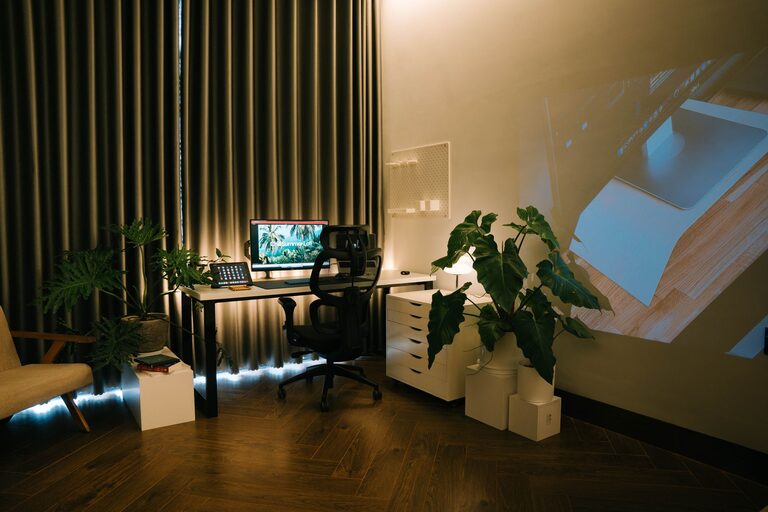
Creating a relaxing home workspace is essential for maintaining focus, reducing stress, and improving overall productivity. Whether you work remotely full-time or occasionally need a quiet place to get tasks done, designing an environment that feels calm and welcoming can make all the difference in your workday.
In this post, we’ll explore practical tips and strategies to help you create a workspace that supports relaxation and efficiency.
Why a Relaxing Workspace Matters
Your workspace directly influences your mood, concentration, and motivation. A cluttered or uncomfortable area can lead to distractions and burnout, while a well-designed space promotes positive energy and mental clarity. Making your home office inviting and peaceful helps you stay engaged with your work while feeling less overwhelmed.
Choose the Right Location
Finding the ideal spot for your workspace is the first step.
– Quiet Area: Look for a space with minimal noise and foot traffic.
– Natural Light: Position your desk near a window if possible to benefit from daylight, which can improve mood and alertness.
– Separate from Leisure Spaces: Avoid setting up your office in areas primarily used for relaxation or entertainment to help maintain work-life boundaries.
Invest in Comfortable Furniture
Comfort is key to creating a relaxing workspace.
– Ergonomic Chair: Choose a chair that supports your posture and reduces strain.
– Appropriate Desk Height: Your desk should allow your arms to rest comfortably while typing.
– Adjustable Options: Furniture that can be adjusted to your needs enhances comfort during long work sessions.
Declutter and Organize
A tidy workspace helps clear your mind and reduces distractions.
– Minimalist Setup: Only keep essential items on your desk.
– Storage Solutions: Use shelves, drawers, or bins to store supplies and paperwork neatly.
– Cable Management: Organize cords with clips or sleeves to keep them out of sight.
Use Calming Colors and Decor
The colors and objects around you affect your emotions and focus.
– Soft, Neutral Colors: Shades like light blue, green, or beige promote calmness.
– Personal Touches: Add plants, artwork, or photos that make you feel relaxed and inspired.
– Avoid Overcrowding: Keep decorations simple to prevent visual clutter.
Control Lighting and Sound
Proper lighting and sound settings contribute significantly to comfort.
– Layered Lighting: Combine natural light with task lighting such as desk lamps for flexibility.
– Reduce Glare: Position light sources to avoid screen reflections.
– Background Noise: Use white noise machines, soft music, or noise-cancelling headphones if external sounds are distracting.
Incorporate Breaks and Movement
Even in a calming space, it’s important to take breaks.
– Stretching Area: Leave space to stand and stretch or do light exercises.
– Timer Reminders: Use apps or alarms to remind you to take short breaks to refresh your mind.
Add Elements That Encourage Mindfulness
Including mindfulness aids can enhance relaxation.
– Aromatherapy: Use essential oils or candles with calming scents like lavender or eucalyptus.
– Meditation Corner: Create a small spot with cushions for brief meditation or breathing exercises.
– Inspiration Board: Display motivational quotes or goals to help maintain focus.
Keep Technology Simple and Efficient
Technology should support your work without adding stress.
– Organized Devices: Arrange your computer, keyboard, and accessories ergonomically.
– Limit Distractions: Turn off non-essential notifications during focused work times.
– Regular Maintenance: Keep your devices clean and updated to avoid technical difficulties.
Final Thoughts
Creating a relaxing home workspace doesn’t require a large budget or a separate room. With thoughtful choices in location, furniture, organization, and ambience, you can design a space that feels inviting and productive. Remember, the goal is to make your workspace a place where you look forward to working—comfortably and calmly.
By implementing these tips, you’ll foster an environment that enhances your well-being and work performance at home. Happy decorating!




More Stories
Desk Setup Tips for Focus and Comfort