






Taking mindful breathing breaks throughout your day is a simple yet powerful way to refresh your mind and body. Whether you’re at work, home, or anywhere in between, pausing to focus on your breath can help reduce stress, improve concentration, and boost overall well-being. If you’re new to mindfulness or breathing exercises, this guide will walk you through beginner-friendly tips to get started.
What Is Mindful Breathing?
Mindful breathing is the practice of paying close attention to your breath, noticing each inhale and exhale without judgment. It’s about being present in the moment, gently observing how your body moves as you breathe. This awareness helps calm your nervous system, clear mental clutter, and create a sense of calm.
You don’t need any special tools or training to practice mindful breathing — just a few minutes and a quiet space.
Why Take Mindful Breathing Breaks?
Many people experience stress, distraction, or mental fatigue during their day. Mindful breathing breaks offer several benefits:
– Reduces stress: Slowing your breath activates the body’s relaxation response.
– Improves focus: Breathing mindfully helps clear your mind and sharpen attention.
– Enhances mood: It promotes feelings of calm and balance.
– Increases energy: A short breathing break can be refreshing and revitalizing.
– Supports overall health: Regular practice may lower blood pressure and improve sleep.
Taking just a few mindful breaths periodically can create noticeable positive changes.
How to Start Mindful Breathing Breaks: Basic Tips
1. Choose a Comfortable Posture
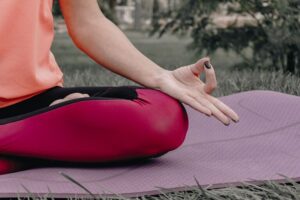
You can practice mindful breathing sitting or standing. Find a comfortable position with your back straight but relaxed. Rest your hands on your lap or knees.
If possible, close your eyes to help focus inward, or keep a soft gaze on a spot in front of you.
2. Begin with Simple Awareness
Start by simply noticing your natural breath. Don’t try to change it. Feel the air moving in through your nose and back out.
Notice the rise and fall of your chest or belly with each breath.
3. Use a Timer or Set Reminders
If you’re new to mindful breathing, start with short sessions—1 to 3 minutes. Set a timer or phone reminder to prompt you to take breaks throughout the day.
4. Focus on Your Breath
Gently direct your full attention to each inhalation and exhalation.
If your mind wanders (which is normal), simply acknowledge it and return your focus to your breath without frustration.
5. Try Counting Your Breaths
To help maintain attention, count “one” as you inhale, “two” as you exhale, and continue up to five or ten before starting again.
This can anchor your mind and prevent distraction.
6. Add Deep Breathing if Comfortable
Once you’re familiar with mindful breathing, you can try deeper breaths — inhale slowly through your nose, filling your lungs, then exhale fully through your mouth or nose.
Deep, slow breathing enhances relaxation.
Sample Mindful Breathing Break Routine (3 Minutes)
- Find a quiet spot and sit comfortably.
- Close your eyes or soften your gaze.
- Take a slow, deep breath in through your nose to a count of four.
- Hold your breath gently for a count of two.
- Exhale slowly through your mouth to a count of six.
- Repeat this cycle for three minutes, focusing on the sensation of breath.
- When finished, open your eyes and notice how you feel.
Tips to Make Mindful Breathing a Habit
– Start small: Even 1-2 minutes a few times a day can help.
– Use natural pauses: Try mindful breathing before meals, after calls, or when transitioning tasks.
– Create a reminder: Sticky notes, phone alarms, or apps can prompt you.
– Join a group or class: Guided sessions can support beginners.
– Be patient: Like any skill, mindful breathing improves with time and practice.
Mindful Breathing at Work or School
You don’t need a special space or outfit to practice mindful breathing. It can easily fit into a busy day:
– Pause for a few breaths before starting a meeting.
– Take a mindful breath before answering emails.
– Use a quiet break to reset with breathing exercises.
– Practice while waiting in line or commuting.
Common Questions for Beginners
Is mindful breathing difficult to learn?
No, it’s simple, but your mind might wander at first. This is normal. With regular practice, it becomes easier.
How often should I practice?
Even a few times daily can bring benefits. Aim for 3-5 mindful breathing breaks, especially during stressful times.
Can children practice mindful breathing?
Yes, children can also benefit from simple breathing exercises to help manage emotions and focus.
Do I need apps or special tools?
Not at all. Apps can help guide beginners, but mindful breathing can be practiced anytime, anywhere without tools.
Final Thoughts
Mindful breathing breaks are a beginner-friendly way to anchor yourself throughout the day. They require no special equipment and only a few minutes but can make a meaningful difference in your stress levels, focus, and overall well-being. By incorporating mindful breathing into your routine, you’re giving yourself a simple tool to navigate daily challenges more calmly and clearly.
Take a deep breath now—and enjoy the peaceful pause.



More Stories
Simple Ways to Make Mornings More Mindful and Peaceful